
World Sleep Day 2026
 March 12, 2026Posted by:
We’re Spending More Time in Bed. So Why Is Our Sleep Getting Worse?
By Marina Cadman, Head of Wellbeing, PeoplePlus
We’re spending more time in bed than previous generations. Yet many of us feel we’re sleeping worse.
Research comparing daily routines from the 1970s with today suggests average time in bed has increased by around 40–50 minutes. On paper that sounds like progress. In practice, many people still struggle to switch off or get enough quality sleep.
That paradox sits behind this year’s World Sleep Day, hosted by the World Sleep Society, which centres on the theme “Sleep Well, Live Better".
Alongside that theme, the campaign highlights an important truth: sleep supports brain health – and brain health supports sleep.
If disrupted sleep signals our brains are under pressure, it raises an interesting question about modern working life and the cumulative effect of the decisions we make throughout the day.
We talk often about wellbeing, resilience and productivity. But sleep sits underneath all those things, shaping how we concentrate, manage stress and show up at work.
Long-term sleep deficit has also been linked with increased risk of neurodegenerative conditions such as dementia and Parkinson’s disease.
Surveys consistently show that around half of adults feel they don’t get enough sleep, while many struggle to switch off at night. Among younger people, disrupted sleep is even more common.
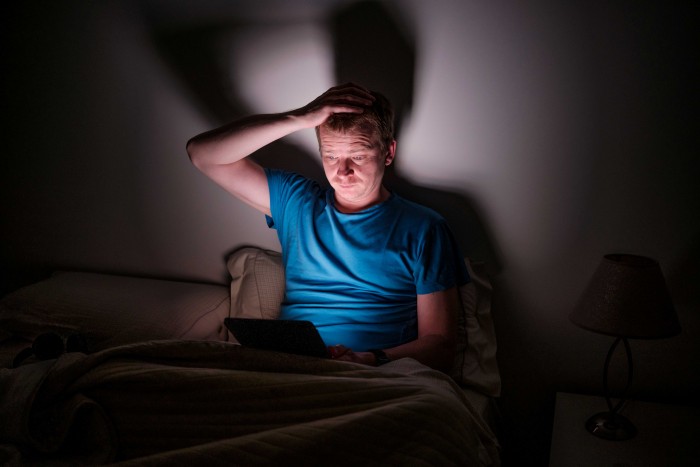
The difference appears to be sleep quality and consistency, rather than how long we try to rest. Many people go to bed earlier but spend more time scrolling, worrying or lying awake.
In other words, we may be spending more time in bed, but not necessarily more time asleep.
Why this matters at work
Sleep is when the brain clears waste, processes information, stores memories and regulates emotional responses. It is also when the body resets the systems that help us manage stress.
When sleep is disrupted, concentration becomes harder to maintain. Tasks take longer. Patience runs thinner and decisions feel more difficult.
None of this reflects poor motivation or lack of resilience. Often it is simply fatigue.
In workplaces those signals can easily be interpreted as performance issues, when sometimes something more fundamental may be part of the picture.
The modern fatigue paradox
Many people today are mentally exhausted but physically under-stimulated.
Previous generations often finished the day physically tired from work and routine activity. Today fatigue is more likely to come from constant concentration, information processing and decision making.
We switch between tasks, respond to messages and carry work thoughts long into the evening. That kind of fatigue can leave people drained while still struggling to fall asleep.
This also makes me think about the lingering taboo around daytime rest. Even on days when I technically have the time, the idea of a nap can feel uncomfortable, as though it signals laziness rather than recovery.
Yet sleep research suggests the opposite. Short naps of 10–20 minutes can improve alertness, learning and decision-making. In many cultures midday rest is normal. In the UK, we tend to push through with another coffee.
Bedtime as a boundary
Getting into bed can offer relief, but isn't always restorative.
Sleep researchers highlight the importance of mental boundaries. Our brains build strong associations between places and behaviours. Ideally, bed becomes a cue for sleep.
If we regularly answer emails, scroll on our phones or plan the next day from bed, the brain starts to associate it with being awake.
Ironically, spending longer in bed can make sleep harder.
I’ve noticed this myself. When my mind is busy, bed can start to feel like another planning desk rather than a place to rest. Finishing the day before bed can make a real difference.
A factor worth noticing
Across our work at PeoplePlus we support people entering or returning to employment in many different circumstances: young people adjusting to routines, parents and carers balancing responsibilities, and individuals rebuilding stability after illness or difficult life events.
Sleep is often one of the first things disrupted during periods of change or pressure.
None of this means we need to become sleep experts.
But sleep deserves a place on the list of factors we keep in mind when thinking about wellbeing, performance and how we help each other set healthy work life boundaries.
Because sometimes the difference between thriving at work and struggling begins the night before.
#WorldSleepDay
March 12, 2026Posted by: