

Neurodiversity Celebration Week 2026
 March 17, 2026Posted by:
Why Neurodiversity at Work Matters to Me – and Why Employers Have More Power Than They Realise
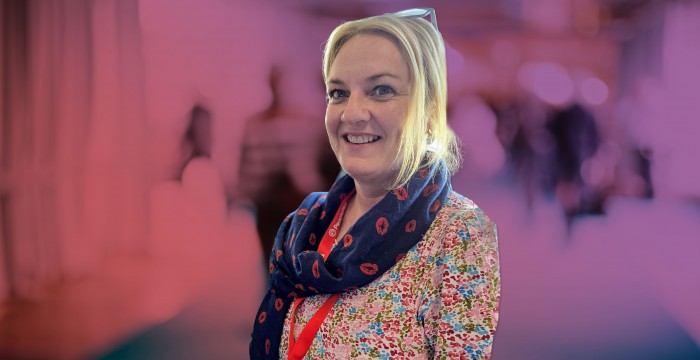
By Emma Grigson
I don’t often write about neurodiversity in personal terms.
Partly because I spend most of my time talking about employment systems, partnerships and social value. And partly because for many people like me, neurodiversity has simply been part of life for as long as we can remember.
But during Neurodiversity Celebration Week, it feels right to say something more directly.
I’m neurodivergent myself. I mentor other neurodivergent professionals. My children are neurodivergent. And like many families, when you start looking through the family tree, you realise that neurodiversity has been part of our story for generations.
For many years, none of us recognised what we were experiencing as neurodiversity.
What we had instead were people trying very hard to fit systems that weren’t designed with them in mind.
Across the workforce today there are people who have built entire careers around coping strategies. They’ve learned how to mask, adapt and work twice as hard in environments that don’t quite match how their minds work best.
Some do incredibly well. Many are talented, creative and determined, but the effort involved often goes unseen and can lead to burnout, absence and loss of experienced talent.
When I look at my own children and the world they are growing up in, I think about how different that experience could be if workplaces were designed with a broader understanding of how people think and process information.
That’s one of the reasons I care so deeply about the work we do through the Social Recruitment Advocacy Group (SRAG).
For a long time, conversations about neurodiversity at work focused mostly on awareness. Awareness matters. But awareness on its own doesn’t change someone’s experience of applying for a job, sitting in an interview or navigating the expectations of a new workplace.
Given that change can be driven by practical choices, employers have more influence than they often realise.
Small adjustments to recruitment processes. Clearer communication. Managers who understand that people process information differently. Work environments that allow people to organise tasks in ways that suit how their minds work.
When those things happen, people can spend their energy doing the job they were hired to do rather than constantly trying to adapt themselves to the system around them.
I see this every day when I mentor neurodivergent professionals.
Many of them are exceptional. But they’ve also spent years doubting themselves because the environments they worked in didn’t recognise their strengths.
That’s beginning to change – but we need to make these changes purposefully and with the voice of neurodivergent people at the heart of new ways of working.
Part of what has shaped current thinking on this is the work of Nancy Doyle, a globally recognised organisational psychologist. Her work on neurodiversity has been a huge inspiration to me and to many employers trying to get this right. She is helping organisations understand that neurodiversity isn’t something to manage around, it’s something to understand and design for. She is very clear – we need to be ambitious for neurodivergent individuals – have expectations of high performance - but we must make sure we are making the adjustments that will genuinely help them to thrive.
When employers do that well, workplaces become more flexible and more thoughtful in how they operate. Managers become better at understanding individual strengths. Teams communicate more effectively.
It’s also worth bearing in mind that changes that help neurodivergent employees often improve the working environment for everyone.
This is where the conversation sometimes shifts into the language of return on investment.
I’ll admit that doesn’t come naturally to me when talking about something so personal.
But the reality is that many of the choices employers can now make, from better recruitment design, clearer management practices to more inclusive workplace cultures – which are informed by lived experience - lead to stronger business growth. They lead to high performing teams, better retention and access to talent that might otherwise be overlooked.
The urgency around this issue is growing.
As more people are entering the workforce with a clearer understanding of how their minds work, there is an emerging expectation that employers can and should be changing the conversation with neurodivergent employees to maximise individual potential and optimise organisational performance. It’s clear that we all have an opportunity to educate ourselves and build in neuro-inclusive work practice from the start.
The real question is whether the systems around work, such as recruitment, and inclusive employment practice can be embedded within an organisation’s culture rather than left as a statement on a company website.
Because when they do, the outcome is not only a more inclusive workplace, but also a more effective one.
And for many families, including my own, that shift could make a very real difference to the opportunities available to the next generation entering the world of work.
To find out more about the work of SRAG, PeoplePlus Social Value Solutions, the Social Recruitment Toolkit and more, contact us at [email protected]
March 17, 2026Posted by: