

Schizophrenia Awareness Day
 July 22, 2026Posted by:
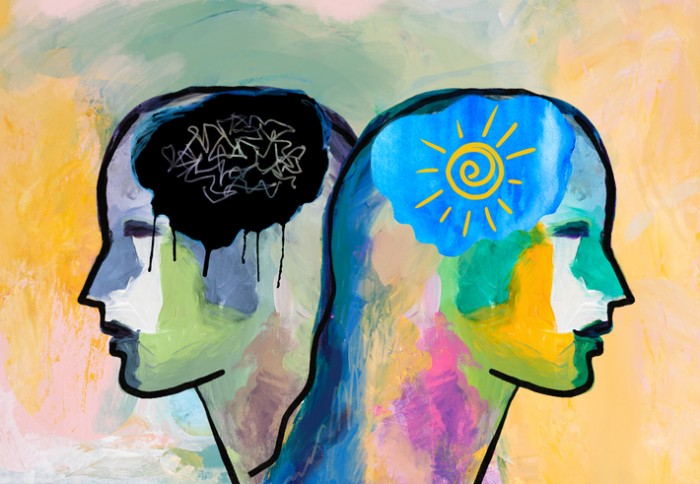
Saturday 25th July is National Schizophrenia Awareness Day. It is a day to move beyond myths and misconceptions and to encourage more honest conversations about what it means to live with this complex mental health condition.
Awareness days are not only about increasing our knowledge; they are also about changing attitudes. For many people living with schizophrenia, the greatest obstacles are not always the symptoms of the condition, but the stigma, misunderstanding and reduced opportunities that can follow them throughout education, employment and everyday life.
I want to focus on what is possible, on the potential that exists in every individual, and on how the right support can change the direction of someone’s life. Reflecting on the impact of our work at PeoplePlus, I want to share some observations about schizophrenia, the barriers people often face, and why education and employability can play such a powerful role in helping people build a future beyond their diagnosis.
Written by Marina Cadman, Head of Health & Care:
Breaking barriers: access to employability support and learning matters for people with schizophrenia
What has shaped my thinking the most hasn’t been the policy papers or the research I have read, but what I have seen in practice. I have seen how employability support and access to learning can open doors for people whose potential is too often overlooked.
Working alongside education and employability services has given me the privilege of seeing individuals who have been defined by a diagnosis begin to redefine themselves through learning. One condition that has particularly challenged my own assumptions is schizophrenia.
For many, the word schizophrenia still evokes fear, misunderstanding and outdated stereotypes. The media has often portrayed the condition through the lens of risk rather than recovery, leaving many people with a distorted understanding of what it really means to live with schizophrenia.
Schizophrenia is a serious mental health condition that affects the way a person thinks, feels and experiences the world. Symptoms can include hallucinations, delusions and difficulties organising thoughts, but no two people experience the condition in the same way. Many people respond well to treatment and, with the right support, build fulfilling, meaningful lives.
Yet in my experience, the greatest challenge is often not the condition itself but the barriers that society places in front of people.
Schizophrenia commonly develops in late adolescence or early adulthood, just as people are beginning to shape their futures through education and employment, and to build independent lives. A period of illness can interrupt school, college or university, leaving qualifications unfinished and confidence shaken. Recovery often means rebuilding not only health, but also a person’s sense of identity. The loss of confidence, purpose and belief is something I have seen education begin to restore.
For individuals receiving care within secure hospitals, the journey can be even more complex. Behind secure doors are people whose lives have often been shaped by trauma, ill health and circumstances that others may never fully identify with. It is easy for society to see only the setting and forget the person. What I have observed is that education can and does change that narrative.
I have seen learners who were initially full of doubt about their own abilities begin to take pride in completing a piece of artwork, gaining a certificate or finishing a course. I have seen people discover talents they never believed they possessed. I have watched confidence grow as someone achieves a qualification, contributes to a classroom discussion or simply begins to believe that they are capable of learning again.
These moments may seem small, but they are often significant milestones in someone's recovery journey.
Education provides far more than knowledge. It creates routine where life has felt chaotic, offers purpose where hope has been lost, and reminds people that they are more than their diagnosis and more than the circumstances that brought them into secure care.
Employment presents another significant hurdle. People living with schizophrenia continue to face some of the lowest employment rates of any group experiencing long-term health conditions. Many people want to work, contribute and build independent lives, yet stigma, gaps in employment history, fluctuating health and employer misconceptions often become barriers long before they have had the chance to show what they are capable of. Confidence, social anxiety, concerns about disclosure and the unpredictability of their health can make the idea of returning to work feel overwhelming. This is where employability support becomes so important.
Preparing someone for work is not simply about writing a CV or practising interview questions. It's about rebuilding confidence, recognising transferable skills, setting realistic goals and helping people believe that employment is possible. Sometimes the biggest step is not securing a job but helping someone recognise that they have something valuable to offer.
One of the things I value most about PeoplePlus is that we do not simply deliver programmes and count completions; we invest in people.
At PeoplePlus, we see the person before the condition. Through our education provision in secure hospitals, we work alongside healthcare professionals to create learning environments where achievement is celebrated, curiosity is encouraged and every learner is treated with dignity and respect. Our teams provide engaging opportunities that build confidence, develop practical skills and help individuals reconnect with their own potential. We recognise that learning can be a powerful part of recovery, supporting people to grow in confidence, develop new aspirations and prepare for life beyond secure care.
Our commitment continues beyond secure settings. Through our employability programmes we work with people facing a wide range of barriers to employment, including mental health challenges. Through personalised coaching, skills development and practical support, we help people move closer to sustainable employment and greater independence.
I have come to see that success cannot only be measured by qualifications gained or jobs secured, important as those achievements are. Sometimes success is seeing someone who once believed they had no future begin to imagine one. It is watching confidence replace self-doubt, possibility take the place of hopelessness, and aspiration return where it had once disappeared. Schizophrenia should never be the headline of someone’s story. The headline should be resilience, recovery and the courage to keep learning, growing and believing that a different future is possible.
If we are serious about building inclusive communities, we must look beyond diagnoses and labels. We must invest in education, create real pathways into employment and recognise that every person deserves the chance to contribute their talents. With understanding, compassion and the right support, people living with schizophrenia can achieve qualifications, secure meaningful work and make valuable contributions to their communities. Employers, educators and service providers all have a role in challenging stigma and seeing people for their strengths, aspirations and potential. When we choose to see the person before the diagnosis, we do more than change lives; we change futures. And when we invest in people, we invest in possibility.
July 22, 2026Posted by: